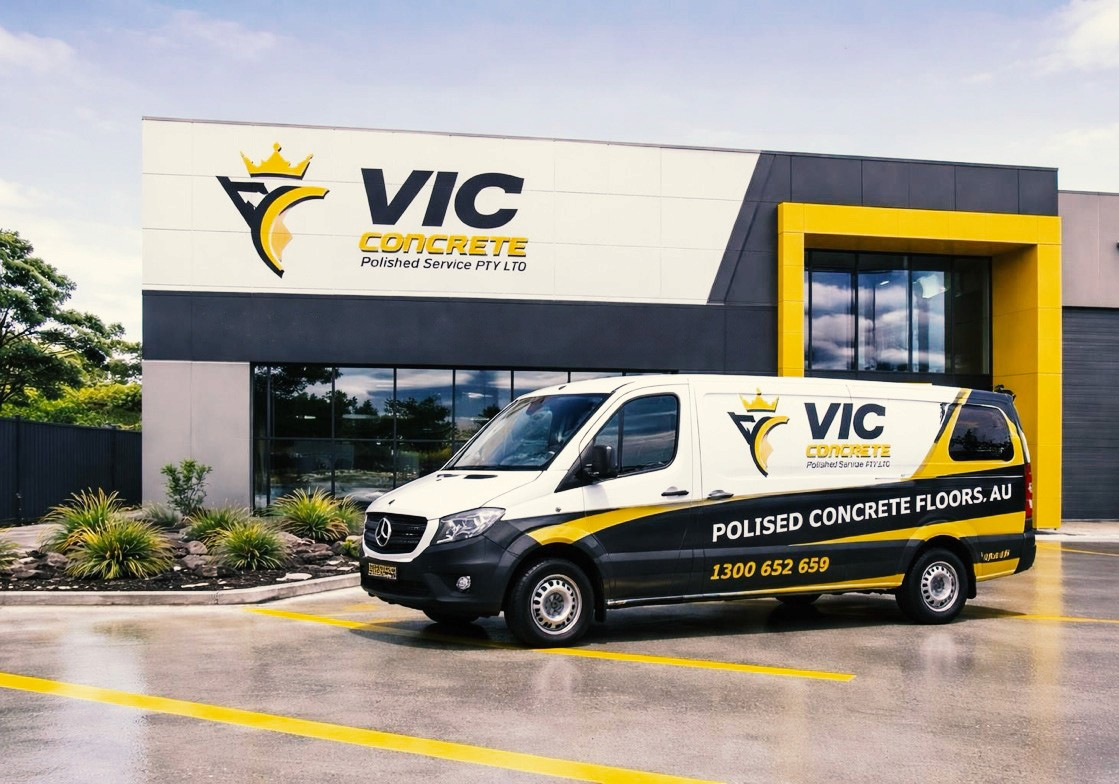

The finish that looks most like the concrete you want to keep may not be the best match for your garage. A polished concrete garage floor is mechanically refined rather than covered with a coating, and the result depends on the condition and character of the existing slab. Cracks, stains, patches and uneven areas can all influence its finished appearance.
You may be drawn to polished concrete for its clean, natural look while also wanting a surface suited to parked vehicles, storage and everyday activity. Compare it with grind and seal, epoxy and decorative flake systems before choosing. Each uses a different process and creates a distinct finish.
This guide explains how those options differ, what to consider about your slab and garage routine, and what professional preparation and finishing involve. Use these practical factors to choose a finish based on how your garage works, not appearance alone.
Key Takeaways
- A polished concrete garage floor works with the existing slab, so its condition and appearance help shape the result.
- Mechanical polishing refines the concrete itself, while grind and seal and epoxy use different finishing processes.
- Assess your garage routine and slab before comparing finishes, separating practical needs from appearance preferences.
- Understand the preparation and finishing steps involved to make a more informed choice for your floor.
- Vic Concrete Polished offers mechanical polishing, grind and seal, epoxy and decorative flakes, as well as floor preparation.
What does a polished concrete garage floor need to handle?
Choose a garage floor finish by weighing three things together: how you use the space, the condition of the existing slab and the appearance you prefer. A garage used mainly for parking has different day-to-day demands from one that also serves as a workshop, storage area or project space. The slab matters too, because its surface affects the preparation required and the finish that can be achieved.
This article focuses on finishing an existing concrete slab, not constructing or pouring one. Mechanical polishing works directly on the concrete: diamond tooling grinds the surface through a sequence of stages to refine its appearance. Mechanical polishing grinds and refines an existing concrete surface to create its finished look, rather than covering it with a separate coating. The Polished concrete overview explains the general process and terminology.
What makes a garage floor different from an indoor living area?
Garages commonly see vehicle traffic, dirt brought in on tyres and shoes, and routine sweeping or washing. Before choosing a polished concrete garage floor, consider how often vehicles come and go, whether you store items there, and whether you work on projects in the space. These habits help identify the practical needs that matter, without assuming a particular finish will prevent stains or damage.
Think about the whole space, not just the area beneath the car. Shelving, equipment and a workbench can affect how much floor is exposed and how you clean it. Note your regular routine, such as moving tools or bringing in garden debris, and use it to guide your finish choice.
What should you assess on the existing concrete slab?
Start with a clear view of the floor. Look for visible patches, stains, uneven areas, joints and signs of old adhesive or coverings. If tiles, carpet or vinyl have been removed, remnants may still affect preparation. Record what you can see, but don’t treat appearance alone as a diagnosis: a surface inspection cannot establish the cause of a crack or confirm moisture conditions.
Surface irregularities and previous finishes can change the work needed before mechanical polishing. The slab also influences how consistent the finished appearance can be. Polishing reveals characteristics of the concrete rather than laying down a uniform decorative layer. An early assessment helps set realistic expectations and plan the right preparation.
- Record visible cracks, patches, stains, joints and uneven sections.
- Identify existing coverings or residue from an earlier floor finish.
- Consider whether the look you prefer suits the slab’s existing character.
These observations help connect the garage’s everyday use and the slab’s condition to a finish that suits both function and appearance.
How mechanical polishing creates a polished concrete garage floor
A mechanically polished finish is created in stages, with the existing slab guiding the work from assessment to the final surface. The sequence is to assess the concrete, prepare it, then grind and polish it mechanically. This is a finishing process, not slab construction, and it doesn’t lay a separate coating over the concrete.
Mechanical polishing grinds and refines the concrete itself; a topical sealer is a separate layer applied over a prepared surface. That distinction matters when comparing finishes: the polished appearance comes from working the slab rather than covering it. The concrete’s existing character and the selected finish influence the result, so the same process won’t produce an identical look on every floor.
What happens during concrete grinding and polishing?
Grinding is the mechanical preparation stage. Appropriate equipment works across the concrete to refine the surface and prepare it for further finishing. Polishing follows through successive stages that progressively refine the surface. The work is planned around the slab and the desired finish, rather than a fixed sequence that suits every garage.
The appearance also depends on the concrete itself. Differences in the slab can affect the visible result, including how much aggregate is exposed. Discuss the intended look before work begins. A polished concrete garage floor is not a printed or applied pattern; it reveals the character of the existing material as it is mechanically refined.
Why does preparation matter before the finish is applied?
Preparation gives the chosen finishing process a suitable starting point. Existing tiles, carpet or vinyl may need to be removed, and remaining adhesive or other surface irregularities can affect the work required next. Preparation is not a minor preliminary. It connects the condition of the floor to the finish being planned.
Once coverings are removed, the exposed concrete can be assessed as the surface to be finished. The work needs to reflect what is actually there, rather than assume every garage slab needs the same treatment. This matters for polished concrete and other systems too, since each finish has its own process and relies on suitable preparation.
Concrete performance is shaped by more than its appearance. The National Institute of Standards and Technology discusses factors affecting the durability of concrete, a useful reminder that a floor finish is not a substitute for the concrete beneath it. Mechanical polishing changes the surface finish; it doesn’t correct every underlying slab issue.
If you’re considering mechanical polishing, Vic Concrete Polished’s concrete finishing service includes assessing the existing surface and planning the intended finish.
Polished concrete vs grind and seal vs epoxy for garage floors
These finishes can all start with preparation of an existing concrete slab, but they create different surfaces. Mechanical polishing refines the concrete itself, grind and seal adds a topical sealer, and epoxy or decorative flakes form a coating over prepared concrete. Compare the process and appearance, while also considering how the slab and intended use shape the project.
| Finish | Process | Surface appearance | Decision factors |
|---|---|---|---|
| Mechanical polished concrete | Concrete is ground and mechanically polished in stages. | The refined concrete remains visible; the slab influences the result. | Consider it if you prefer the look of concrete itself and the existing slab suits the intended finish. |
| Grind and seal | Concrete is ground, then protected with a topical sealer. | The ground concrete remains visible beneath a separate surface layer. | Compare the sealed finish and its upkeep with the appearance and requirements you have in mind. |
| Epoxy or decorative flakes | A coating system is applied over prepared concrete; decorative flakes add a distinct visual element. | The coating creates a separate finished surface over the slab. | Consider whether you prefer a coating and the visual effect of a plain or flaked system. |
When might mechanical polished concrete suit a garage?
Mechanical polishing may suit a garage owner who wants the concrete itself to provide the finished appearance, rather than choosing a coating layer. It doesn’t hide the slab beneath a separate system, so the existing surface and selected finish influence what can be achieved. Appearance alone doesn’t establish how a floor will perform under every garage routine. For a polished concrete garage floor, weigh the look you want alongside the slab’s condition and the work the space needs to support.
How do grind and seal and epoxy differ from polished concrete?
Grind and seal includes a topical sealer over ground concrete, while mechanical polishing refines the concrete surface itself. Both may leave the concrete visible, but they are different systems and shouldn’t be treated as having identical maintenance needs. Epoxy and decorative flakes are coating choices: they create a separate surface over prepared concrete, rather than a mechanically polished concrete finish.
A decorative flake system also changes the visual character of the floor. The decorative flake epoxy floor system guide explains how that coating approach works. The garage flooring options comparison can also help you weigh finish type against your priorities.
All three systems rely on the concrete beneath them, but a coating doesn’t make the slab’s condition irrelevant. The Federal Highway Administration discusses test methods related to the durability of concrete pavements. That publication concerns pavement, not residential floor finishes, but it reinforces the value of distinguishing the concrete substrate from the system applied or worked over it.

How to match a garage floor finish to your slab and routine
Choose a finish by working through the decision in order: define how you use the garage, assess the existing slab, compare finish systems, then consider cleaning and upkeep. This keeps appearance in the picture without letting it overshadow practical needs. A polished concrete garage floor, a sealed surface and a coating each interact with the existing slab differently.
Separate what you want the floor to look like from what it needs to support. A tidy parking space, a workshop with tools and equipment, and a garage used for storage may call for different priorities. No single finish suits every slab or routine, so use your answers to narrow the options rather than assume one system is automatically best.
- Define the use: Note vehicle movements, workshop tasks, storage and how often people walk through the space.
- Assess the slab: Record visible wear, old coverings, patches and uneven areas to inform preparation planning.
- Compare the systems: Decide whether you prefer refined concrete itself or a separate coating finish.
- Consider upkeep: Think about the cleaning routine you can maintain and the care required for the selected system.
Which questions help narrow down the finish options?
Will vehicles be parked there every day, or will the garage double as a workshop? Do you want the concrete to remain visible, or would you prefer a coating, perhaps with decorative flakes? Consider how dirt enters the space and how often you expect to sweep or wash the floor. These questions help distinguish visual preference from day-to-day requirements without assuming any surface is maintenance-free.
Also consider slip resistance, particularly if the floor may be wet or contaminated during normal use. It depends on surface characteristics and conditions, so no finish should be treated as automatically slip-proof. The slip-resistant garage floor coating guide explores considerations for choosing a finish with this in mind.
What if the slab has old coverings or visible wear?
Old tiles, carpet or vinyl, along with adhesive residue and uneven areas, can change the preparation plan. Visible wear is useful to record, but it doesn’t establish the cause or tell you on its own what finish is achievable. Professional concrete grinding and removal of existing floor coverings can form part of a considered finishing project.
Because slabs vary, the same appearance can’t be promised for every garage. Preparation and finish selection need to account for the surface that’s actually there, not just a sample image or preferred colour.
For a garage with old coverings or a surface that needs careful assessment, floor preparation and finish planning starts with the slab and how you use the space.
How Vic Concrete Polished can finish your garage floor
Choosing a garage floor finish is a practical decision as well as a visual one. Vic Concrete Polished provides mechanical polished concrete, grind and seal, epoxy resin and decorative flake finishes, with floor preparation planned around the existing surface. The work focuses on preparing and finishing a slab, not pouring or constructing one.
With more than 18 years of industry experience, Vic Concrete Polished can help you consider how the floor is used, what the concrete is like and which appearance you prefer. That context matters: a polished concrete garage floor works with the existing slab, while a coating creates a separate finished surface. The right direction depends on the project, not a specification that assumes every garage is the same.
What can a floor-finishing project include?
A project can include measuring and assessing the floor, then planning the preparation needed for the selected system. Concrete grinding may be part of that work, while tiles, carpet or vinyl can be removed where coverings need to come up. These steps establish a suitable starting surface for the chosen finish.
The scope is shaped by the floor in front of you. For example, a garage with old vinyl has different preparation considerations from a bare slab. The selected finish and its appearance are also planned around project requirements, rather than assumed from a sample or another floor.
- Mechanical polishing refines the concrete itself.
- Grind and seal pairs ground concrete with a topical sealer.
- Epoxy resin and decorative flakes provide coating-system options over prepared concrete.
Each system involves a different process and visual result. A considered discussion of the slab and intended use helps connect those differences to your garage, whether it mainly accommodates vehicles, storage or workshop activity.
How to take the next step with confidence
Before discussing a project, note how you use the garage, what the current floor looks like and which finish you prefer. Mention visible wear, old floor coverings or areas that appear uneven. It’s also useful to separate functional priorities, such as workshop use and routine cleaning, from preferences about colour, texture and whether you want the concrete visible.
Those details provide a grounded starting point for comparing the available systems. They also help keep expectations aligned with the existing surface, since slabs differ and won’t all produce the same appearance. Vic Concrete Polished plans preparation and finishing options around your project.
Discuss your garage floor project and take the next step towards a finish suited to your slab and routine.
Plan a garage floor that works for the years ahead
Your garage may change over time. A space used mainly for parking today could later become a workshop, storage area or a more regular part of your daily routine. Before settling on a finish, consider not only how you use the floor now, but what you’d like the space to do next. That forward view can help you choose a polished concrete garage floor or another finish with greater confidence.
To make the next conversation useful, jot down what the garage is used for, what you’ve noticed about the existing floor and the look you prefer. You don’t need to have every detail decided. A clear starting point makes it easier to discuss the priorities that matter for your project.
Use the project details you’ve gathered to compare the available finishes and plan a surface that suits your home and routine.
Frequently Asked Questions
Can you polish an existing concrete garage floor?
Yes, an existing garage slab can be mechanically polished if its condition and surface allow for the intended finish. The result depends on the concrete that’s already there, including patches, wear or previous treatments. For example, a floor with several repairs may look different from a more uniform slab after polishing. An assessment helps establish the preparation involved and set realistic expectations for the finished appearance.
Is polished concrete suitable for a garage floor?
It can be, particularly if you like the look of refined concrete and want the slab itself to form the visible surface. Suitability depends on the floor’s condition and how the garage is used, whether for parking, storage or regular workshop tasks. Consider your cleaning routine and appearance preferences together. Choose a finish for the specific slab and use, rather than assuming one option suits every garage.
What is the difference between polished concrete and grind and seal?
Mechanical polishing refines the concrete itself, while grind and seal adds a topical sealer over ground concrete. The systems differ in both process and how the surface is finished. If you’re deciding between them, consider whether you want mechanically refined concrete or a sealed finish, then factor in the care appropriate to that system. They aren’t interchangeable names for the same floor.
Can epoxy be applied over an existing garage floor?
Epoxy resin can be installed over existing concrete when the surface is prepared for the coating system. The slab’s condition and any existing finish influence the preparation plan, so an old coating or residue shouldn’t be assumed suitable as a base. For instance, if the floor has been painted before, that layer forms part of the surface assessment before an epoxy finish is planned.
Can old tiles or carpet be removed before a garage floor is finished?
Yes. Existing tiles, carpet or vinyl can be removed as part of preparing a floor for a new finish. Once the covering is up, the exposed concrete can be assessed for residue, patches or uneven areas that may affect the next stage. Removal and preparation help inform which finishing system suits the surface.
Does a polished concrete garage floor need sealing?
Not necessarily with a topical sealer. Mechanical polishing and grind and seal are separate finishing systems: grind and seal includes a sealer, while mechanical polishing refines the concrete itself. Don’t assume a polished surface has the same treatment or care requirements as a sealed one. The chosen system and project specification determine what finish is applied, so clarify the intended surface treatment when planning the floor.
Will a polished concrete garage floor be slippery when wet?
There isn’t a universal answer, as slip depends on the surface characteristics and conditions, including water or other material on the floor. A smooth-looking finish alone doesn’t establish how it will feel underfoot when wet. If the garage entrance is exposed to rain or the space is used for wet tasks, include that in the finish discussion. Consider slip resistance for the actual use rather than assuming it from the finish name.


